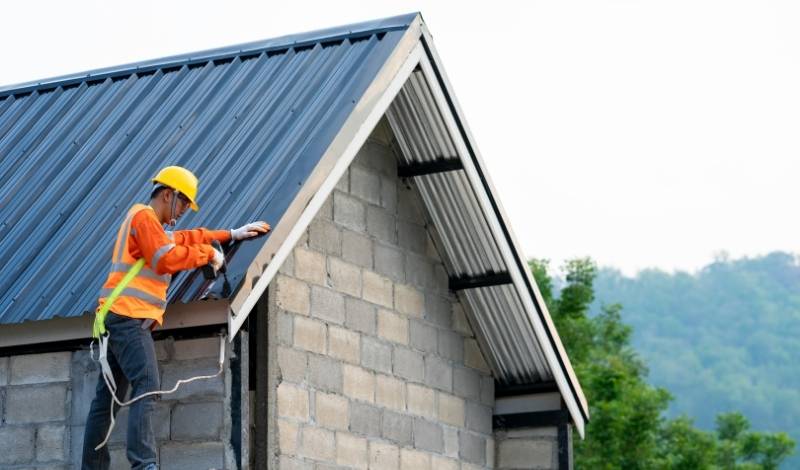
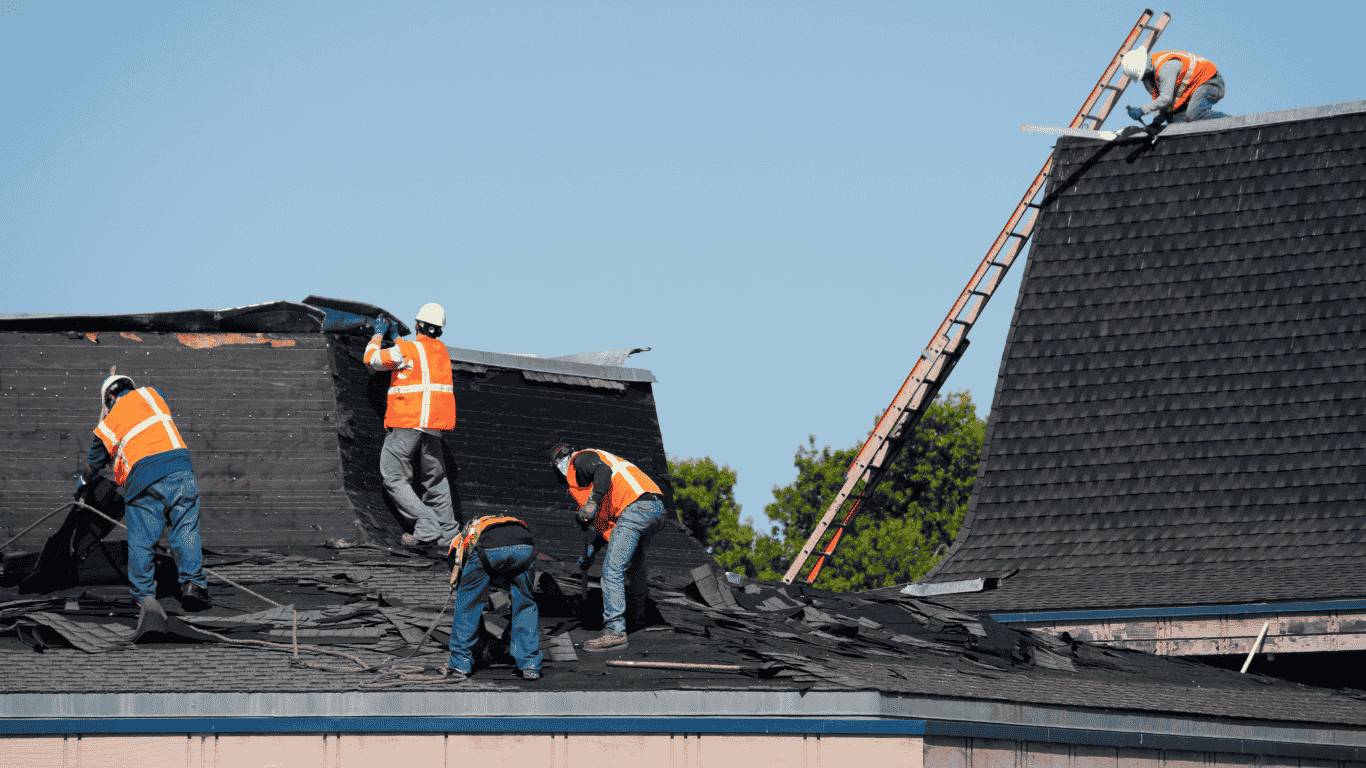
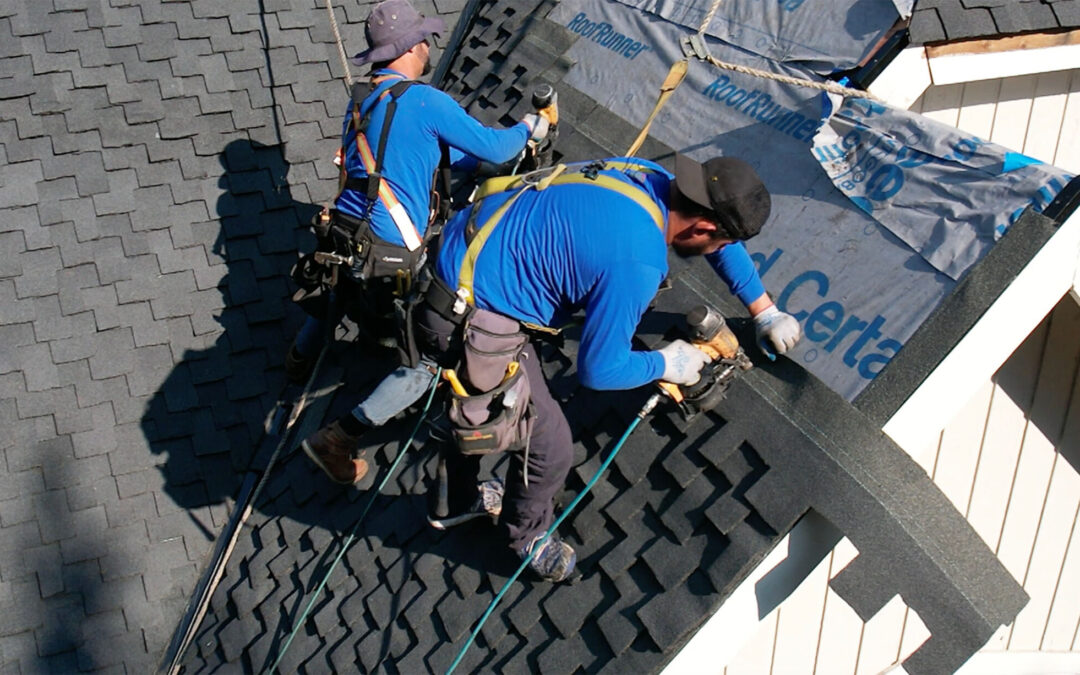
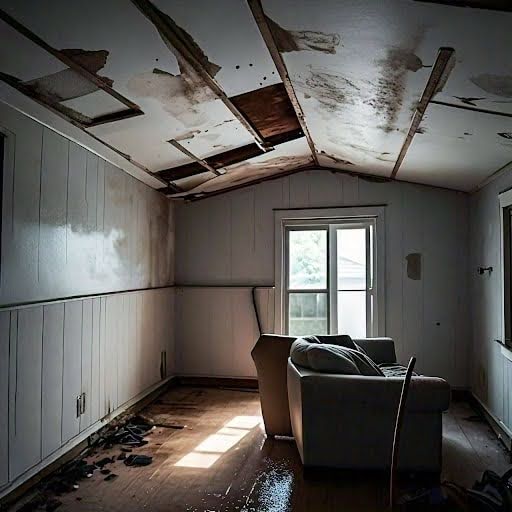
Seattle’s wet climate brings constant moisture, moss and wind-driven rain, all of which can reduce a roof’s life expectancy without consistent inspections and quality materials.
Selecting resilient, weather-resistant roofing materials such as asphalt shingles or metal systems is crucial to withstand Seattle’s constant rain and wind.
Proper attic ventilation and upgraded insulation are important aspects in controlling moisture and improving the energy efficiency of Seattle homes.
Teaming up with a local contractor who lives, eats, and breathes Seattle’s permitting process, energy codes, and historical district rules helps you have a smooth roof replacement project.
You can limit project disruption and keep your project on track by preparing your property ahead of installation day and clearly communicating with your contractor.
Gutter integration and regular maintenance are key to avoiding water damage and preserving the longevity of your new roof in Seattle's wet weather.
Roof replacement in Seattle means choosing roofing that defies rain, moss, and chilly days. Seattle’s wet season demands robust shingles or metal forged for hard rain and wind.
Local codes require quality underlayment and venting to prevent leaks and mold. Understanding the expenses, roof lifespan and optimal season for installation assists in logistical decisions.
This post covers what to know about roof replacement in Seattle, from prices to picking the right roofing.
Why Your Seattle Roof Fails
Seattle’s weather is rough on roofs. Frequent rain, cool temperatures and shaded neighborhoods are a triple threat when it comes to roof issues. A lot of roofs here fail because of persistent moisture, moss, wind-driven rain, lack of ventilation, or just old age. Understanding how these factors play out locally helps homeowners make smarter choices and avoid expensive repairs.
1. Constant Moisture
Seattle roofs are rained on most of the year, and water will collect in “valleys” or low areas. Without inspection, this imprisoned moisture saturates the shingles and underlayment, resulting in leaks and soft spots on the roof deck. When the humidity remains elevated, roofing materials decompose more quickly and wood can rot from the inside out.
Waterproofing membranes or coatings provide an additional barrier, but these require upkeep and inspection for degradation. You need to have inspections at least twice a year and definitely after extended periods of rain.
That’s the thing about moisture; it creeps up on you and by the time you notice stains on your ceilings, it’s already too late.
2. Aggressive Moss
For roofs under trees or on shaded blocks, moss grows fast and it’s fond of the damp Seattle air. If moss isn’t removed, it lifts shingles and lets water leach beneath. This can begin as a small patch but will spread rapidly, particularly after wet winters.
Certain roofing materials fend moss better than others. New shingles with copper or zinc granules inhibit moss, but old roofs might require professional cleaning to remove dense layers. Homeowners should keep their branches trimmed and slopes clear.
Every once in a while, the best option is to rely on the pros for safe removal. Moss and algae prematurely age roofs. When overlooked, they result in more significant repairs, such as replacing entire areas of shingles or repairing compromised underlying decking.
3. Wind-Driven Rain
Storms bring with them powerful gusts that drive rain sideways. Even new roofs can take a beating if shingles aren’t nailed down properly or flashing is loose. After strong wind or hail, look for missing shingles, exposed nail heads, or dented metal.
The importance of your shingle selection cannot be overstated. Gorgeous, heavy architectural shingles and new ridge caps prevent water intrusion. Having a pitched and shingled roof with overlapping seams is much more resistant to wind driven leaks than a flat roof or a badly designed system.
4. Poor Ventilation
Attics require ventilation to prevent moisture accumulation. When vents are plugged or absent, heat and humidity become trapped beneath the roof deck. This accelerates shingle wear and leads to mold.
Ridge and soffit vents increase ventilation. A large temperature disparity between attic and outside frequently translates into a greater need for ventilation. Keep an eye out, homeowners, for soggy insulation or mildew odors, all indicators that your attic isn’t ventilating properly.
Ventilation isn’t only a summer concern. During winter, this moisture can get trapped and freeze, then thaw, which weakens your roof’s structure as time passes.
5. Material Aging
All roofing materials deteriorate. Seattle’s asphalt shingles can have a lifespan of 18 to 25 years, though wet weather shortens their life. Curling, cracking, and bare spots indicate it is time to consider replacement.
Designing a new roof before big issues appear saves money over time. Certain materials perform better against Seattle’s climate, so research is critical.
Old roofs can sag or exhibit soft, spongy areas, indicating the structural integrity beneath might be compromised by water or inadequate construction. These symptoms indicate you must take urgent steps before things deteriorate further.
Selecting Your Roof Armor
Seattle’s weather requires roofing that can withstand constant rain, wind, and seasonal shifts.
How to Choose Your Roof Armor
Here’s a comparison table of popular choices for Seattle roofs.
Material
Durability
Maintenance Needs
Energy Efficiency
Asphalt Shingles
15–30 yrs
Low–Medium
Moderate
Metal Roofing
40–70+ yrs
Low
High
Flat Roof TPO
20–30 yrs
Medium
High
Flat Roof EPDM
20–25 yrs
Medium
Moderate
Recycled Rubber
30–50 yrs
Low
Moderate
Working with Seattle-founded roofing pros can expose which materials best hold against local wind storms and building codes. Energy use counts as well. Reflective or well insulated roofs reduce heating bills. Maintenance, including clearing moss and checking for leaks, is crucial on any roof.
Asphalt Shingles
Hold up great to Seattle’s rain and wind. Provide solid protection from storms and debris.
Cheaper than metal or synthetic varieties, they are a favorite for budget-minded homeowners.
Available in a wide variety of colors and shapes, fitting your traditional craftsman home or new contemporary build.
Convenient for roofers to fix or replace, and for owners to maintain by inspecting for absent shingles or moss.
Metal Systems
Seattle’s wind storms and heavy rain proved no match for metal roofing, which has the ability to easily last more than 50 years with minimal maintenance.
Metal roofs shed water so quickly that they resist algae growth and don’t get slippery like certain other materials. Their reflective coatings can reduce cooling bills, as they keep summer heat at bay.
Others are concerned about rain noise, but attic insulation takes care of this for the majority of homes. Metal roofs are available in a variety of styles, ranging from the elegant standing seam to rustic corrugated panels, harmonizing with urban or countryside properties equally.
Flat Roofing
Material
Lifespan
Key Benefits
TPO
20–30 yrs
Reflects heat, flexible, eco-friendly
EPDM
20–25 yrs
Durable, resists UV, easy repairs
Flat roofs require TPO or EPDM to yield the best results in wet climates. Effective drainage is essential because standing water can cause leaks or algae growth.
Trust me, these systems need to be installed by a pro roofer who knows how to get the slope and seams right. Upkeep requires debris removal, puncture inspection, and open drains to prevent water issues.
The Seattle Roof Replacement Process
Seattle roof replacement is tricky, primarily because of the city’s wet weather and constant storms. A well-organized system guides homeowners and contractors through every stage, from planning to cleanup. Open communication, documentation, and some prep work are key to making the project smooth and efficient.
Initial Inspection
Begin with a complete audit of the old roof. A good contractor will look for leaks, moss, damaged shingles, and rot. Rot and moisture mean that roof decking is frequently riddled with unobserved water damage, soft or black mold under the shake or shingle.
Windstorms can cause problems too, so the inspector might check for loose flashing or missing shingles. Take a few bids from local guys. Don’t just compare price, compare services included, materials offered, and each company’s experience with Seattle’s climate.
There are some contractors who will advise full replacement and others who will advise repairs. Talk through these results so you’re comfortable with the optimal way to proceed with your home.
Material Selection
Collaborate with your contractor to select roofing materials appropriate for Seattle conditions. Metal roofing and composition shingles dump rain similarly. Cedar shakes can perform well if treated properly.
For flat roofs, single-ply TPO and EPDM seem to be the most popular around Seattle, thanks to their water and algae resistant properties. Ask for samples and see how the colors and textures work with your home’s style.
Think about your budget, but consider the warranties. Longer warranties translate to better long-term value, particularly in Seattle’s wet environment. Some neighborhoods have HOA rules that restrict your options, so scope those out early.
Permit Acquisition
Seattle replacement roofs usually require permits as well, particularly if there are structural alterations, sheathing work or replacing to a heavier roofing material. Depending on your neighborhood, the permit process can differ and your HOA might establish additional regulations.
Work with your contractor to file the correct paperwork, which keeps your project on time and city fines at bay. Save copies of all permits and approvals either digitally or on paper.
You may need these records if you ever sell your house or if it becomes necessary to demonstrate code compliance at a later date. Understanding local ordinances keeps you out of expensive time-sinks.
Installation Day
Prior to work, shovel out the driveway and pull the outdoor furniture away from the house. Keep the pets and kids safe inside. Chat with your contractor about the day’s schedule so you know when to anticipate noise and how long the job will take.
Most Seattle roof replacements are one to four days in duration, depending on the size of your home. While on the job, check in with the crew regarding any surprises, such as rotten decking or weather delays.
Open access to the roof aids the crew in working quickly and safely. Document well and take photos of each step to help clear up questions later and have a clear record for your files.
Beyond the Shingles
Roof replacement Seattle is more than just tearing off old shingles and installing new ones. In Philadelphia’s humid climate, heavy rainfall and winter storms, a roof does more than keep the water out. Improvements in insulation, ventilation and gutter systems are a must for a roof that can withstand the PNW weather. Keeping these spaces in mind can give your roof the edge to perform better, last longer, and make your home more comfy year-round.
Upgraded Insulation
Upgrading roof insulation is more than just comfort. Good insulation reduces energy waste, so it’s a smart way to save money on heating and cooling. Living in Seattle, where winters are crisp and summers are cool, fiberglass batts, blown-in cellulose, and spray foam insulation are all pretty standard.
Fiberglass is cheap, and spray foam closes gaps and adds strength. Both have their benefits and drawbacks. Fiberglass is simple to install, but spray foam comes at a higher price point. Proper insulation slows heat loss in winter and keeps your home cooler in summer. This can mean lower utility bills and a smaller carbon footprint.
Since energy prices in the area can fluctuate, many homeowners see a return on investment in just a few years. A professional evaluation helps identify where you could be short on insulation. Roofers or energy auditors knock on doors with gadgets to locate sneaky cold spots and drafts and then suggest the right material and thickness for your home.
Seattle’s building code will require some R-values, so always check local regulations before you get to work.
Modern Ventilation
State-of-the-art ventilation systems are a must for taming heat and moisture under the roof. If the attic air sits, moisture accumulates, which means mold or wood rot. Powered attic fans or solar-powered ventilators are gaining more traction. These alternatives circulate air better than passive vents, particularly during damp or rainy stretches.
Checking attic humidity detects issues pronto. Digital monitors can indicate when moisture levels escalate, demanding more ventilation. A properly ventilated roof can last 18 to 25 years or more. It prevents moisture damage and heat buildup from prematurely reducing shingle life.
Ventilation is not just a comfort upgrade. It is vital to roof health. Without it, even the best shingles can falter prematurely. Annual roof inspections can detect blocked vents or mold growth before they turn into expensive fixes.
Gutter Integration
Match gutter design to roof slope and rainfall levels.
Choose seamless gutters for fewer leaks and less upkeep.
Place downspouts to send water away from the foundation.
Use gutter guards to limit moss and leaf buildup.
Schedule cleanings every fall and spring to prevent clogs.
Gutters are simple to ignore but are absolutely critical in our Seattle weather. Gutters that are clogged or not properly placed can back water under shingles or near the foundation. Seamless gutters are admired for their easy upkeep and durability, while gutter guards prevent moss and leaves from making mischief.
Set downspouts away from paths and flowerbeds to prevent flooding or erosion. Gutter protection systems require regular maintenance to keep working, particularly after heavy storms or when trees shed leaves and debris.
Navigating Seattle Regulations
Navigating Seattle’s unpredictable roof replacement rules Local weather, city codes and neighborhood history shape Seattle’s approach. Being mindful of these regulations, particularly concerning permits, energy codes and historic regulations, assists in avoiding delays and facilitates a sustainable, compliant roofing endeavor.
SDCI Permits
Seattle’s Department of Construction & Inspections (SDCI) manages permits for roof work. Even on most single-family homes and duplexes, if you’re just switching out the roof material—say, old shingles for new ones—a permit isn’t required. If you’re reroofing plywood sheathing or installing insulation, then a permit is required.
Seattle wants to verify that any insulation is energy code compliant, which maintains homes' efficiency and safety. Commercial and multi-family buildings have more stringent permit requirements, so apartment owners and businesses should expect a more involved review.
Working with a local roofing contractor can certainly help make the permit process smoother. Contractors who know Seattle’s regulations can help you avoid any skipped steps or setbacks. Hold on to all your permit paperwork and receipts.
If you ever sell your property or want to schedule an inspection, these records make life simpler. Keep current with SDCI’s recent requirements, as regulations often change and some neighborhoods in Greater Seattle enforce their own, more stringent policies.
Energy Codes
Seattle has energy codes that play into what materials and methods are approved. These codes aim to boost your home’s energy efficiency, which counts in the city’s chilly, rainy climate. For instance, if you’re upgrading insulation as part of a new roof, the replacement must satisfy minimum R-value requirements of local energy codes.
These regulations may impact both the selection of materials and the manner in which your contractor installs them. Contractors who know Seattle’s codes can assist you in selecting choices that suit your home and climate.
Seattle’s weather, consisting of continued rain, constant humidity, and windstorms, means materials such as asphalt shingles, metal, and some membranes are typical selections for their moisture resistance. It is smart to watch for updates to these codes since they get reviewed every few years.
Abiding by these guidelines will not only keep you within code, but can significantly reduce utility bills and increase comfort throughout the year.
Historical Districts
Certain Seattle homes are located within historical districts, such as sections of Capitol Hill or Queen Anne. These zones have unique regulations to maintain the neighborhood’s character. Before reroofing, determine if your house lies within such a zone.
Seattle might ask you to use colors, shapes, or roof materials similar to the home’s original aesthetic. Maintaining the architectural feel is important in these neighborhoods.
Roof work that disregards Seattle regulations can result in fines or require expensive remediation. Contact the Seattle Landmarks Preservation Board or your neighborhood association for guidance.
There are roofing options, such as faux slate or wood-look shingles, that comply with both modern and historical standards, allowing you to preserve your home’s heritage without compromising functionality.
Finding Your Roofing Partner
Seattle’s climate and neighborhood styles make choosing the right roofing partner something more than just a numbers game. It’s about faith, expertise, and a match for your residence. Countless roofing companies operate throughout the city, each bringing their own advantages.
Elite Gold Contractors (https://elitegoldcontractors.com/) is one example, known for working with both standard asphalt shingles and modern metal roofing, along with skylight installation. Others such as Valentine Roofing and Three Tree Roofing also catch our eye, with decades of experience, excellent customer reviews, and an emphasis on top-tier materials.
Local reviews on Google, Yelp, and similar sites are especially useful in demonstrating which companies make good on their pledges, complete work within schedule, and leave their work areas clean and debris free.
Key questions help you determine if a contractor is right for your project. Request their Seattle tenure and your team’s licenses. See if they’re insured and bonded, which covers you if things go awry. Request evidence.
Inquire what brands of materials they use—trusted names like CertainTeed or GAF demonstrate that a company values enduring strength. Ask for information on warranties, material and labor. Inquire if they deal with skylights or roof vents if you require additional.
Ask if they provide a complete roof inspection prior to quoting expenses, as this aids in uncovering concealed damages. Ensure they guarantee complete post-job clean-up, so you aren’t left with stray nails or debris.
There are obvious advantages in selecting a local company over a national chain. Local crews understand Seattle rain, wind, and temperature fluctuations. They can recommend the right products for moss roofs or older homes.
Local roofers establish long-term relationships by prioritizing the customer’s satisfaction, expecting referrals and repeat business, not just fast sales. They tend to have crews consisting of local licensed builders and master craftsmen, so work completes to a high quality.
If issues arise down the road, you can reach them—no hold music or distant call centers!
A checklist makes it easier to compare the roofing proposals. Look for specifics on material type and brand, the extent of the work, and the timeline for each phase.
Ensure your proposal lists total costs in U.S. Dollars and includes permits, cleanup, and disposal. Inquire whether the bid can be adjusted if the inspection discovers additional damage. Compare labor and material warranties and don’t forget to get a copy of their insurance and bond information.
Conclusion
Seattle roofs get hammered. Rain, moss and wind test shingles to their max. Choosing the right roof is choosing what endures, not just what appears beautiful. Seattle roof replacement experts understand the ropes, the city codes and wacky weather patterns. Going with a trusted local crew keeps things smooth and honest. Quality roofs support, shelter and yes, even trim those energy bills. A quality job today saves cash later and protects your home. If your roof looks rough or leaks sprout, don’t wait. Contact a Seattle roofer for straightforward estimates and practical guidance. Don’t let little roof issues become major pains.
Frequently Asked Questions
What are the most common reasons Seattle roofs need replacement?
Seattle roofs tend to fail from too much rain, moss, and wind. Moisture and mold are common due to the city’s wet climate.
What roofing materials work best in Seattle’s climate?
Asphalt shingles and metal are a hit in Seattle. They fight moisture, moss, and mold and are perfect for the PNW’s rainy weather.
How long does a typical roof replacement take in Seattle?
Generally, roof replacements in Seattle take two to five days, depending on the weather and size of the roof. Delays may occur in heavy rains.
Do I need a permit for roof replacement in Seattle?
Yes, you’ll need a permit from the Seattle Department of Construction and Inspections for most roof replacements. Your contractor can typically assist with this.
How do I choose a reliable Seattle roofing contractor?
Find licensed, insured, and locally experienced contractors. Read reviews and get references from Seattle homeowners.
Will insurance cover my roof replacement in Seattle?
Yes, insurance can cover roof replacement if it’s damaged as a result of a covered peril, such as a storm. Verify your policy and consult with your insurer.
Seattle’s wet climate brings constant moisture, moss and wind-driven rain, all of which can reduce a roof’s life expectancy without consistent inspections and quality materials.
Selecting resilient, weather-resistant roofing materials such as asphalt shingles or metal systems is crucial to withstand Seattle’s constant rain and wind.
Proper attic ventilation and upgraded insulation are important aspects in controlling moisture and improving the energy efficiency of Seattle homes.
Teaming up with a local contractor who lives, eats, and breathes Seattle’s permitting process, energy codes, and historical district rules helps you have a smooth roof replacement project.
You can limit project disruption and keep your project on track by preparing your property ahead of installation day and clearly communicating with your contractor.
Gutter integration and regular maintenance are key to avoiding water damage and preserving the longevity of your new roof in Seattle's wet weather.
Roof replacement in Seattle means choosing roofing that defies rain, moss, and chilly days. Seattle’s wet season demands robust shingles or metal forged for hard rain and wind.
Local codes require quality underlayment and venting to prevent leaks and mold. Understanding the expenses, roof lifespan and optimal season for installation assists in logistical decisions.
This post covers what to know about roof replacement in Seattle, from prices to picking the right roofing.
Why Your Seattle Roof Fails
Seattle’s weather is rough on roofs. Frequent rain, cool temperatures and shaded neighborhoods are a triple threat when it comes to roof issues. A lot of roofs here fail because of persistent moisture, moss, wind-driven rain, lack of ventilation, or just old age. Understanding how these factors play out locally helps homeowners make smarter choices and avoid expensive repairs.
1. Constant Moisture
Seattle roofs are rained on most of the year, and water will collect in “valleys” or low areas. Without inspection, this imprisoned moisture saturates the shingles and underlayment, resulting in leaks and soft spots on the roof deck. When the humidity remains elevated, roofing materials decompose more quickly and wood can rot from the inside out.
Waterproofing membranes or coatings provide an additional barrier, but these require upkeep and inspection for degradation. You need to have inspections at least twice a year and definitely after extended periods of rain.
That’s the thing about moisture; it creeps up on you and by the time you notice stains on your ceilings, it’s already too late.
2. Aggressive Moss
For roofs under trees or on shaded blocks, moss grows fast and it’s fond of the damp Seattle air. If moss isn’t removed, it lifts shingles and lets water leach beneath. This can begin as a small patch but will spread rapidly, particularly after wet winters.
Certain roofing materials fend moss better than others. New shingles with copper or zinc granules inhibit moss, but old roofs might require professional cleaning to remove dense layers. Homeowners should keep their branches trimmed and slopes clear.
Every once in a while, the best option is to rely on the pros for safe removal. Moss and algae prematurely age roofs. When overlooked, they result in more significant repairs, such as replacing entire areas of shingles or repairing compromised underlying decking.
3. Wind-Driven Rain
Storms bring with them powerful gusts that drive rain sideways. Even new roofs can take a beating if shingles aren’t nailed down properly or flashing is loose. After strong wind or hail, look for missing shingles, exposed nail heads, or dented metal.
The importance of your shingle selection cannot be overstated. Gorgeous, heavy architectural shingles and new ridge caps prevent water intrusion. Having a pitched and shingled roof with overlapping seams is much more resistant to wind driven leaks than a flat roof or a badly designed system.
4. Poor Ventilation
Attics require ventilation to prevent moisture accumulation. When vents are plugged or absent, heat and humidity become trapped beneath the roof deck. This accelerates shingle wear and leads to mold.
Ridge and soffit vents increase ventilation. A large temperature disparity between attic and outside frequently translates into a greater need for ventilation. Keep an eye out, homeowners, for soggy insulation or mildew odors, all indicators that your attic isn’t ventilating properly.
Ventilation isn’t only a summer concern. During winter, this moisture can get trapped and freeze, then thaw, which weakens your roof’s structure as time passes.
5. Material Aging
All roofing materials deteriorate. Seattle’s asphalt shingles can have a lifespan of 18 to 25 years, though wet weather shortens their life. Curling, cracking, and bare spots indicate it is time to consider replacement.
Designing a new roof before big issues appear saves money over time. Certain materials perform better against Seattle’s climate, so research is critical.
Old roofs can sag or exhibit soft, spongy areas, indicating the structural integrity beneath might be compromised by water or inadequate construction. These symptoms indicate you must take urgent steps before things deteriorate further.
Selecting Your Roof Armor
Seattle’s weather requires roofing that can withstand constant rain, wind, and seasonal shifts.
How to Choose Your Roof Armor
Here’s a comparison table of popular choices for Seattle roofs.
Material
Durability
Maintenance Needs
Energy Efficiency
Asphalt Shingles
15–30 yrs
Low–Medium
Moderate
Metal Roofing
40–70+ yrs
Low
High
Flat Roof TPO
20–30 yrs
Medium
High
Flat Roof EPDM
20–25 yrs
Medium
Moderate
Recycled Rubber
30–50 yrs
Low
Moderate
Working with Seattle-founded roofing pros can expose which materials best hold against local wind storms and building codes. Energy use counts as well. Reflective or well insulated roofs reduce heating bills. Maintenance, including clearing moss and checking for leaks, is crucial on any roof.
Asphalt Shingles
Hold up great to Seattle’s rain and wind. Provide solid protection from storms and debris.
Cheaper than metal or synthetic varieties, they are a favorite for budget-minded homeowners.
Available in a wide variety of colors and shapes, fitting your traditional craftsman home or new contemporary build.
Convenient for roofers to fix or replace, and for owners to maintain by inspecting for absent shingles or moss.
Metal Systems
Seattle’s wind storms and heavy rain proved no match for metal roofing, which has the ability to easily last more than 50 years with minimal maintenance.
Metal roofs shed water so quickly that they resist algae growth and don’t get slippery like certain other materials. Their reflective coatings can reduce cooling bills, as they keep summer heat at bay.
Others are concerned about rain noise, but attic insulation takes care of this for the majority of homes. Metal roofs are available in a variety of styles, ranging from the elegant standing seam to rustic corrugated panels, harmonizing with urban or countryside properties equally.
Flat Roofing
Material
Lifespan
Key Benefits
TPO
20–30 yrs
Reflects heat, flexible, eco-friendly
EPDM
20–25 yrs
Durable, resists UV, easy repairs
Flat roofs require TPO or EPDM to yield the best results in wet climates. Effective drainage is essential because standing water can cause leaks or algae growth.
Trust me, these systems need to be installed by a pro roofer who knows how to get the slope and seams right. Upkeep requires debris removal, puncture inspection, and open drains to prevent water issues.
The Seattle Roof Replacement Process
Seattle roof replacement is tricky, primarily because of the city’s wet weather and constant storms. A well-organized system guides homeowners and contractors through every stage, from planning to cleanup. Open communication, documentation, and some prep work are key to making the project smooth and efficient.
Initial Inspection
Begin with a complete audit of the old roof. A good contractor will look for leaks, moss, damaged shingles, and rot. Rot and moisture mean that roof decking is frequently riddled with unobserved water damage, soft or black mold under the shake or shingle.
Windstorms can cause problems too, so the inspector might check for loose flashing or missing shingles. Take a few bids from local guys. Don’t just compare price, compare services included, materials offered, and each company’s experience with Seattle’s climate.
There are some contractors who will advise full replacement and others who will advise repairs. Talk through these results so you’re comfortable with the optimal way to proceed with your home.
Material Selection
Collaborate with your contractor to select roofing materials appropriate for Seattle conditions. Metal roofing and composition shingles dump rain similarly. Cedar shakes can perform well if treated properly.
For flat roofs, single-ply TPO and EPDM seem to be the most popular around Seattle, thanks to their water and algae resistant properties. Ask for samples and see how the colors and textures work with your home’s style.
Think about your budget, but consider the warranties. Longer warranties translate to better long-term value, particularly in Seattle’s wet environment. Some neighborhoods have HOA rules that restrict your options, so scope those out early.
Permit Acquisition
Seattle replacement roofs usually require permits as well, particularly if there are structural alterations, sheathing work or replacing to a heavier roofing material. Depending on your neighborhood, the permit process can differ and your HOA might establish additional regulations.
Work with your contractor to file the correct paperwork, which keeps your project on time and city fines at bay. Save copies of all permits and approvals either digitally or on paper.
You may need these records if you ever sell your house or if it becomes necessary to demonstrate code compliance at a later date. Understanding local ordinances keeps you out of expensive time-sinks.
Installation Day
Prior to work, shovel out the driveway and pull the outdoor furniture away from the house. Keep the pets and kids safe inside. Chat with your contractor about the day’s schedule so you know when to anticipate noise and how long the job will take.
Most Seattle roof replacements are one to four days in duration, depending on the size of your home. While on the job, check in with the crew regarding any surprises, such as rotten decking or weather delays.
Open access to the roof aids the crew in working quickly and safely. Document well and take photos of each step to help clear up questions later and have a clear record for your files.
Beyond the Shingles
Roof replacement Seattle is more than just tearing off old shingles and installing new ones. In Philadelphia’s humid climate, heavy rainfall and winter storms, a roof does more than keep the water out. Improvements in insulation, ventilation and gutter systems are a must for a roof that can withstand the PNW weather. Keeping these spaces in mind can give your roof the edge to perform better, last longer, and make your home more comfy year-round.
Upgraded Insulation
Upgrading roof insulation is more than just comfort. Good insulation reduces energy waste, so it’s a smart way to save money on heating and cooling. Living in Seattle, where winters are crisp and summers are cool, fiberglass batts, blown-in cellulose, and spray foam insulation are all pretty standard.
Fiberglass is cheap, and spray foam closes gaps and adds strength. Both have their benefits and drawbacks. Fiberglass is simple to install, but spray foam comes at a higher price point. Proper insulation slows heat loss in winter and keeps your home cooler in summer. This can mean lower utility bills and a smaller carbon footprint.
Since energy prices in the area can fluctuate, many homeowners see a return on investment in just a few years. A professional evaluation helps identify where you could be short on insulation. Roofers or energy auditors knock on doors with gadgets to locate sneaky cold spots and drafts and then suggest the right material and thickness for your home.
Seattle’s building code will require some R-values, so always check local regulations before you get to work.
Modern Ventilation
State-of-the-art ventilation systems are a must for taming heat and moisture under the roof. If the attic air sits, moisture accumulates, which means mold or wood rot. Powered attic fans or solar-powered ventilators are gaining more traction. These alternatives circulate air better than passive vents, particularly during damp or rainy stretches.
Checking attic humidity detects issues pronto. Digital monitors can indicate when moisture levels escalate, demanding more ventilation. A properly ventilated roof can last 18 to 25 years or more. It prevents moisture damage and heat buildup from prematurely reducing shingle life.
Ventilation is not just a comfort upgrade. It is vital to roof health. Without it, even the best shingles can falter prematurely. Annual roof inspections can detect blocked vents or mold growth before they turn into expensive fixes.
Gutter Integration
Match gutter design to roof slope and rainfall levels.
Choose seamless gutters for fewer leaks and less upkeep.
Place downspouts to send water away from the foundation.
Use gutter guards to limit moss and leaf buildup.
Schedule cleanings every fall and spring to prevent clogs.
Gutters are simple to ignore but are absolutely critical in our Seattle weather. Gutters that are clogged or not properly placed can back water under shingles or near the foundation. Seamless gutters are admired for their easy upkeep and durability, while gutter guards prevent moss and leaves from making mischief.
Set downspouts away from paths and flowerbeds to prevent flooding or erosion. Gutter protection systems require regular maintenance to keep working, particularly after heavy storms or when trees shed leaves and debris.
Navigating Seattle Regulations
Navigating Seattle’s unpredictable roof replacement rules Local weather, city codes and neighborhood history shape Seattle’s approach. Being mindful of these regulations, particularly concerning permits, energy codes and historic regulations, assists in avoiding delays and facilitates a sustainable, compliant roofing endeavor.
SDCI Permits
Seattle’s Department of Construction & Inspections (SDCI) manages permits for roof work. Even on most single-family homes and duplexes, if you’re just switching out the roof material—say, old shingles for new ones—a permit isn’t required. If you’re reroofing plywood sheathing or installing insulation, then a permit is required.
Seattle wants to verify that any insulation is energy code compliant, which maintains homes' efficiency and safety. Commercial and multi-family buildings have more stringent permit requirements, so apartment owners and businesses should expect a more involved review.
Working with a local roofing contractor can certainly help make the permit process smoother. Contractors who know Seattle’s regulations can help you avoid any skipped steps or setbacks. Hold on to all your permit paperwork and receipts.
If you ever sell your property or want to schedule an inspection, these records make life simpler. Keep current with SDCI’s recent requirements, as regulations often change and some neighborhoods in Greater Seattle enforce their own, more stringent policies.
Energy Codes
Seattle has energy codes that play into what materials and methods are approved. These codes aim to boost your home’s energy efficiency, which counts in the city’s chilly, rainy climate. For instance, if you’re upgrading insulation as part of a new roof, the replacement must satisfy minimum R-value requirements of local energy codes.
These regulations may impact both the selection of materials and the manner in which your contractor installs them. Contractors who know Seattle’s codes can assist you in selecting choices that suit your home and climate.
Seattle’s weather, consisting of continued rain, constant humidity, and windstorms, means materials such as asphalt shingles, metal, and some membranes are typical selections for their moisture resistance. It is smart to watch for updates to these codes since they get reviewed every few years.
Abiding by these guidelines will not only keep you within code, but can significantly reduce utility bills and increase comfort throughout the year.
Historical Districts
Certain Seattle homes are located within historical districts, such as sections of Capitol Hill or Queen Anne. These zones have unique regulations to maintain the neighborhood’s character. Before reroofing, determine if your house lies within such a zone.
Seattle might ask you to use colors, shapes, or roof materials similar to the home’s original aesthetic. Maintaining the architectural feel is important in these neighborhoods.
Roof work that disregards Seattle regulations can result in fines or require expensive remediation. Contact the Seattle Landmarks Preservation Board or your neighborhood association for guidance.
There are roofing options, such as faux slate or wood-look shingles, that comply with both modern and historical standards, allowing you to preserve your home’s heritage without compromising functionality.
Finding Your Roofing Partner
Seattle’s climate and neighborhood styles make choosing the right roofing partner something more than just a numbers game. It’s about faith, expertise, and a match for your residence. Countless roofing companies operate throughout the city, each bringing their own advantages.
Elite Gold Contractors (https://elitegoldcontractors.com/) is one example, known for working with both standard asphalt shingles and modern metal roofing, along with skylight installation. Others such as Valentine Roofing and Three Tree Roofing also catch our eye, with decades of experience, excellent customer reviews, and an emphasis on top-tier materials.
Local reviews on Google, Yelp, and similar sites are especially useful in demonstrating which companies make good on their pledges, complete work within schedule, and leave their work areas clean and debris free.
Key questions help you determine if a contractor is right for your project. Request their Seattle tenure and your team’s licenses. See if they’re insured and bonded, which covers you if things go awry. Request evidence.
Inquire what brands of materials they use—trusted names like CertainTeed or GAF demonstrate that a company values enduring strength. Ask for information on warranties, material and labor. Inquire if they deal with skylights or roof vents if you require additional.
Ask if they provide a complete roof inspection prior to quoting expenses, as this aids in uncovering concealed damages. Ensure they guarantee complete post-job clean-up, so you aren’t left with stray nails or debris.
There are obvious advantages in selecting a local company over a national chain. Local crews understand Seattle rain, wind, and temperature fluctuations. They can recommend the right products for moss roofs or older homes.
Local roofers establish long-term relationships by prioritizing the customer’s satisfaction, expecting referrals and repeat business, not just fast sales. They tend to have crews consisting of local licensed builders and master craftsmen, so work completes to a high quality.
If issues arise down the road, you can reach them—no hold music or distant call centers!
A checklist makes it easier to compare the roofing proposals. Look for specifics on material type and brand, the extent of the work, and the timeline for each phase.
Ensure your proposal lists total costs in U.S. Dollars and includes permits, cleanup, and disposal. Inquire whether the bid can be adjusted if the inspection discovers additional damage. Compare labor and material warranties and don’t forget to get a copy of their insurance and bond information.
Conclusion
Seattle roofs get hammered. Rain, moss and wind test shingles to their max. Choosing the right roof is choosing what endures, not just what appears beautiful. Seattle roof replacement experts understand the ropes, the city codes and wacky weather patterns. Going with a trusted local crew keeps things smooth and honest. Quality roofs support, shelter and yes, even trim those energy bills. A quality job today saves cash later and protects your home. If your roof looks rough or leaks sprout, don’t wait. Contact a Seattle roofer for straightforward estimates and practical guidance. Don’t let little roof issues become major pains.
Frequently Asked Questions
What are the most common reasons Seattle roofs need replacement?
Seattle roofs tend to fail from too much rain, moss, and wind. Moisture and mold are common due to the city’s wet climate.
What roofing materials work best in Seattle’s climate?
Asphalt shingles and metal are a hit in Seattle. They fight moisture, moss, and mold and are perfect for the PNW’s rainy weather.
How long does a typical roof replacement take in Seattle?
Generally, roof replacements in Seattle take two to five days, depending on the weather and size of the roof. Delays may occur in heavy rains.
Do I need a permit for roof replacement in Seattle?
Yes, you’ll need a permit from the Seattle Department of Construction and Inspections for most roof replacements. Your contractor can typically assist with this.
How do I choose a reliable Seattle roofing contractor?
Find licensed, insured, and locally experienced contractors. Read reviews and get references from Seattle homeowners.
Will insurance cover my roof replacement in Seattle?
Yes, insurance can cover roof replacement if it’s damaged as a result of a covered peril, such as a storm. Verify your policy and consult with your insurer.
Roof leaks are more than just minor annoyances; they can lead to significant damage if not addressed quickly.
Identifying the exact source of a leak is crucial for effective repairs but can often be challenging, especially on flat or low-pitched roofs.
In this post, we’ll help you to detect roof leaks early, ensuring your home stays dry and damage-free.
Why Immediate Action on Roof Leaks Is Important
Your roof is a vital shield protecting your home from the elements, ensuring it remains dry and secure. However, roofs aren’t impervious to wear and tear, and they can develop vulnerabilities as they age.
Understanding how to detect roof leaks is crucial to preventing extensive damage and maintaining the integrity of your home.
Leaks that go unnoticed can lead to significant issues:
Interior Damage: Water infiltrating your home can damage furniture, flooring, and personal belongings.
Hidden Risks: Water seeping into walls and insulation can promote mold growth, posing health risks and causing further structural problems.
You can catch these issues early by knowing what signs to look for, such as musty odors, stains on ceilings or walls, unexplained puddles, and the sound of dripping water.
Addressing leaks promptly helps minimize damage and allows for quicker repairs, keeping your home safe and your life on track.
How to Spot Roof Leaks
Finding a roof leak can be tricky, but following these detailed steps will help you locate the issue effectively:
1. Check for Visible Signs Inside Your Home
Start by looking for clear indicators of a leak:
Water Stains: Look for discoloration on ceilings, walls, and around windows.
Musty Odors: A musty smell or mold growth can suggest hidden moisture.
Shingle Damage: Examine any visible damage to shingles or roofing materials.
Wall Issues: Bulges or sagging in walls might indicate water damage.
Exterior Siding: Inspect the siding for water damage or decay.
2. Investigate Potential Interior Water Sources
Before assuming the leak is from the roof, rule out other sources:
Plumbing Leaks: Check pipes, water heaters, and fixtures in bathrooms, kitchens, and laundry rooms.
HVAC Units: Ensure that your heating and cooling systems are not leaking.
3. Inspect the Attic Thoroughly
The attic can offer clues about leaks:
Safety First: Move carefully and avoid weak spots.
Search for Water Damage: Look for water stains, mold, or damp areas on rafters and insulation.
Check Insulation: Wet insulation may indicate a leak
4. Examine the Roof’s Exterior
Inspect the roof directly for signs of damage:
Roof Condition: Look at vents, chimneys, skylights, and seams for any visible issues.
Shingles and Flashing: Check for missing or damaged shingles and deteriorated flashing.
Debris: Clear off leaves and other debris to inspect for water buildup or damage.
5. Perform a Water Test
Simulate rainfall to help locate the leak:
Spray Method: Use a garden hose to spray different sections of the roof, starting from the bottom and moving up.
Monitor Inside: Have someone inside to observe and note any signs of water entering the home.
6. Trace the Leak to Its Source
Use the information gathered to pinpoint the exact location:
Compare Damage: Match the water stains and damage inside with exterior features like chimneys or skylights.
Mark the Area: Identify and mark the area on the roof where the leak is occurring.
7. Check for Hidden Leaks
Sometimes leaks can be hidden behind walls or insulation:
Inspect Hidden Areas: Look behind wall panels and insulation if visible signs are not found.
Use a Moisture Meter: Consider using a moisture meter to detect hidden moisture behind walls and ceilings.
8. Consult a Roofing Professional
If you’re still unable to locate the leak or are unsure about repairs:
Professional Assessment: Contact a roofing expert for a thorough inspection and repair.
Get an Estimate: Obtain a detailed estimate for the necessary repairs to address the leak effectively.
Other Common Signs of a Roof Leak
Visible Stains and Discoloration: Look for brown or yellowish stains on your ceilings or walls, which can indicate water damage from a leak.
Musty Odors: A persistent musty smell inside your home can signal hidden moisture or mold growth due to a roof leak.
Damage to Interior Walls: Notice any bulging or sagging in your walls and ceilings, which could be a result of water damage from a leaky roof.
Rust on Metal Fixtures: If you have metal roof components or fixtures, check for rust or corrosion, which can be a sign of water exposure.
Peeling or Bubbling Paint: Paint or wallpaper that is peeling or bubbling can indicate moisture intrusion from a roof leak.
Warped or Soft Spots: Look for areas in your home where walls or ceilings feel soft or appear warped, which could be due to prolonged exposure to water.
Standing Water on Roof: After rainfall, check for areas where water collects and doesn’t drain properly, as this can point to underlying roof issues.
Mold or Mildew: The presence of mold or mildew on walls, ceilings, or in your attic can suggest a persistent leak that needs addressing.
Cracked or Missing Roofing Materials: Inspect the exterior of your roof for any cracked, missing, or damaged shingles and flashing, which can lead to leaks.
Say Goodbye to Roof Leaks
End your roof leak troubles with King Roof Care. Specializing in roof replacement and installation, we offer superior services backed by extensive warranties.
With our experience and dedication, we ensure your home is protected from leaks and other roofing issues.
Call us now for a free estimate and see how we can transform your roof.
When it comes to protecting your home or business, your roof is your first line of defense. At [Your Roofing Company Name], we offer affordable roofing services in [Your City Name] with quality you can trust. Whether you're dealing with a leaky roof, missing shingles, or need a full roof replacement, we’re here to help.
Why Choose Our Roofing Services in [Your City Name]?
We specialize in roofing repair and installation in [Your City Name], ensuring long-lasting solutions with quality craftsmanship. Here’s why homeowners and businesses trust us:
Local Expertise – We know the [Your City] climate and building codes.
High-Quality Materials – We use industry-grade shingles, tiles, and metal.
Licensed & Insured Roofers – Your safety and peace of mind come first.
Free Roof Inspections – No-obligation estimates with honest pricing.
Looking for the best local roofing contractors in [Your City]? We’re just one call away.
Residential Roofing Services
Our residential roofing services in [Your City] cover everything from small repairs to complete roof installations. If you notice signs like water stains on the ceiling, curling shingles, or mold growth, it’s time to call a pro.
Running a business? We provide commercial roofing services in [Your City] for warehouses, office buildings, retail spaces, and more. We work with materials like EPDM, TPO, and modified bitumen to suit your building’s needs.
Commercial Roofing Services We Offer:
Flat Roof Installation
Roof Maintenance Plans
Roof Coatings for Energy Efficiency
Storm Damage Repairs
Need custom roofing solutions for your commercial space? Visit our Custom Roofing Solutions section.
Emergency Roof Repair in [Your City]
Storm damage? Leaks after heavy rain? Our emergency roof repair services in [Your City] are available 24/7. We arrive quickly, inspect thoroughly, and take immediate action to minimize damage.
If your roof is over 20 years old or severely damaged, replacement may be the best option. We offer affordable roof replacement in [Your City], tailored to your budget and aesthetic.
Prevent major issues with our routine roof maintenance in [Your City]. Our team will check for loose shingles, flashing problems, clogged gutters, and signs of wear and tear.
Contact the Top-Rated Roofing Contractors in [Your City Name]
Whether you need a small repair or full installation, we’re here for you. We’re proud to be one of the most trusted roofing companies near [Your City], delivering five-star service with every job.
✅ Free Estimate ✅ Fast Scheduling ✅ Guaranteed Satisfaction
But like everything else, it doesn't last forever. Not sure if it's time for a replacement? Here are 5 common signs that you might need a new roof.
1. Visible Damage or Missing Shingles
If your roof has cracked, curled, or missing shingles, it's a sign of wear and tear. Damaged shingles can allow water to seep through and cause leaks inside your home.
2. Leaks or Water Damage Inside Your Home
Noticed brown stains on your ceiling or walls? That's a major red flag. Water damage often means your roof is no longer properly sealed, which can lead to bigger (and costlier) problems.
3. Your Roof is Over 20 Years Old
Most asphalt shingle roofs are designed to last 20 to 25 years. If yours is approaching that age, it's a good idea to have it inspected—even if it looks fine from the outside.
4. Sagging Roof Deck
A sagging area on your roof is a serious structural issue. It could mean moisture has weakened the wood and needs to be addressed immediately to avoid a collapse.
5. Daylight Coming Through Roof Boards
If you go into your attic and see sunlight peeking through the roof boards, it’s time to call a roofing professional. This is a clear sign that your roof’s protective barrier has been compromised.
Need Help? We’re Here for You. At Roofing Company, we offer free roof inspections and expert advice. Whether you need minor repairs or a full roof replacement, our team is ready to help.
📞 Contact us today for a no-obligation consultation!